
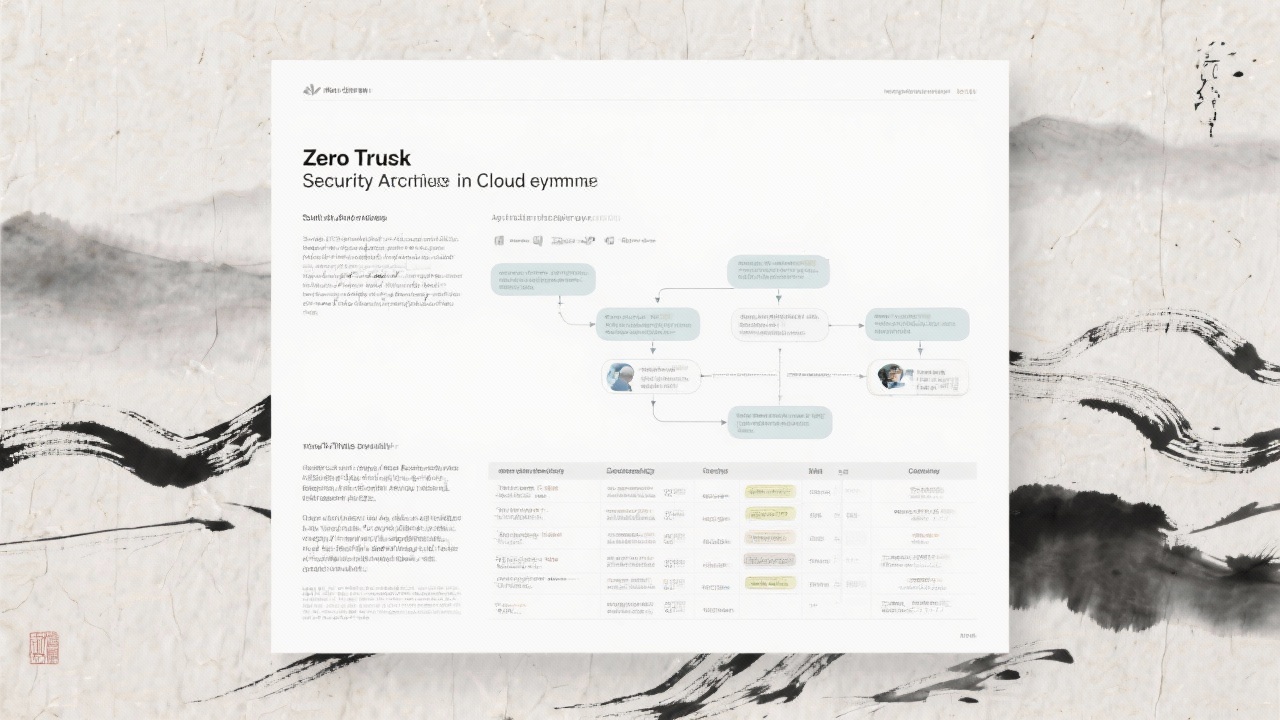
The problem is not the model—it is the sprawl
Enterprises are under pressure to “do something with AI,” and the fastest path is often the riskiest: embed API keys in every internal app, let teams craft their own system prompts, and hope nobody pastes regulated data into a chat box. That sprawl creates inconsistent policy, invisible spend, and no single place to investigate abuse or respond to an auditor who asks, plainly, who can call which model and what left the building.
A gateway pattern fixes the topology: one authenticated front door for model calls, centralized policy, and logs that tie identity to usage. You still choose models and tune prompts—but you stop pretending that security can be enforced at the honor system layer.
What a gateway actually does
At minimum, a gateway terminates TLS, authenticates callers against your IdP, applies rate limits and quotas, and routes to approved model endpoints—whether hosted, private, or hybrid. It is where you enforce “this tier of user may use this model family,” and where you attach cost attribution so finance can see which product lines are burning tokens.
Good gateways also normalize telemetry: request IDs, model version, latency, and token counts. That data feeds FinOps and incident response alike. Without it, you are debugging shadow AI with anecdotes.
Guardrails that survive contact with reality
- Block or redact categories of sensitive data before prompts or completions cross trust boundaries—policy belongs in infrastructure, not in a README.
- Keep system prompts and safety instructions server-side; clients should never be able to override policy fields.
- Log prompts and completions with retention aligned to legal and risk—default to shorter windows unless counsel says otherwise.
- Map groups in your IdP to model tiers so entitlement reviews are a security exercise, not a spreadsheet hunt.
Tools, MCP, and the temptation to improvise
When assistants call tools—REST, SQL, Kubernetes APIs, or MCP servers—you have effectively given the model hands. Treat every tool like a microservice behind an API gateway: authenticate, authorize, rate-limit, and return structured JSON with stable fields. Read-only tools should ship first; write paths need approvals, scoped credentials, and explicit human gates where the blast radius is high.
Hallucinated infrastructure is worse than silence. Prefer answers grounded in query results, with citations to the row or resource ID, over confident prose about systems the model never queried.
Ground truth and evaluation
Models drift; prompts drift; teams ship new tools weekly. Budget for evaluation: golden questions, regression checks on PII leakage, and periodic red-team exercises focused on prompt injection and tool abuse. The goal is not perfection on day one—it is a process that catches regressions before they become headlines.
How I talk to security leadership
I frame internal LLM programs around auditability: who asked, which model answered, what data classes were involved, and how we would roll back or tighten policy without a weekend rewrite. When security sees a path to yes—with evidence—they become partners instead of blockers. That posture is what turns pilots into platforms.
Rollout and change management
Technology is only half the story. Product owners need guidance on what belongs in a copilot versus a traditional workflow. Support teams need runbooks when answers are wrong or tools time out. Legal may want review gates for new data classes or geographies. I build those bridges early so the gateway is not perceived as an ivory tower blocking progress.
The organizations that win treat internal AI as a managed service: SLAs, onboarding packs, and a visible roadmap. The ones that struggle treat it as a science experiment—then wonder why adoption stalls when the first incident arrives without a process.
When things go wrong
Incidents will happen: a model will leak a token in a log, a user will paste something they should not, or an integration will fail open. The response playbook matters as much as the architecture. Freeze risky features, preserve evidence, notify stakeholders in the order your policy requires, and post a blameless summary with concrete controls added.
Teams that rehearse those steps calmly outperform teams that improvise under headlines. The gateway pattern helps because you have choke points to tighten policy without chasing dozens of app teams simultaneously.
Pulling it together
Internal LLM programs succeed when they are treated as infrastructure with product discipline: clear owners, measurable policy, and a roadmap that includes safety and cost—not only features. The gateway is the architectural embodiment of that seriousness.
If you are early in the journey, start smaller than you think: one high-value workflow, one model family, one identity integration, and evidence that you can operate it. Scale comes after trust—not before.