
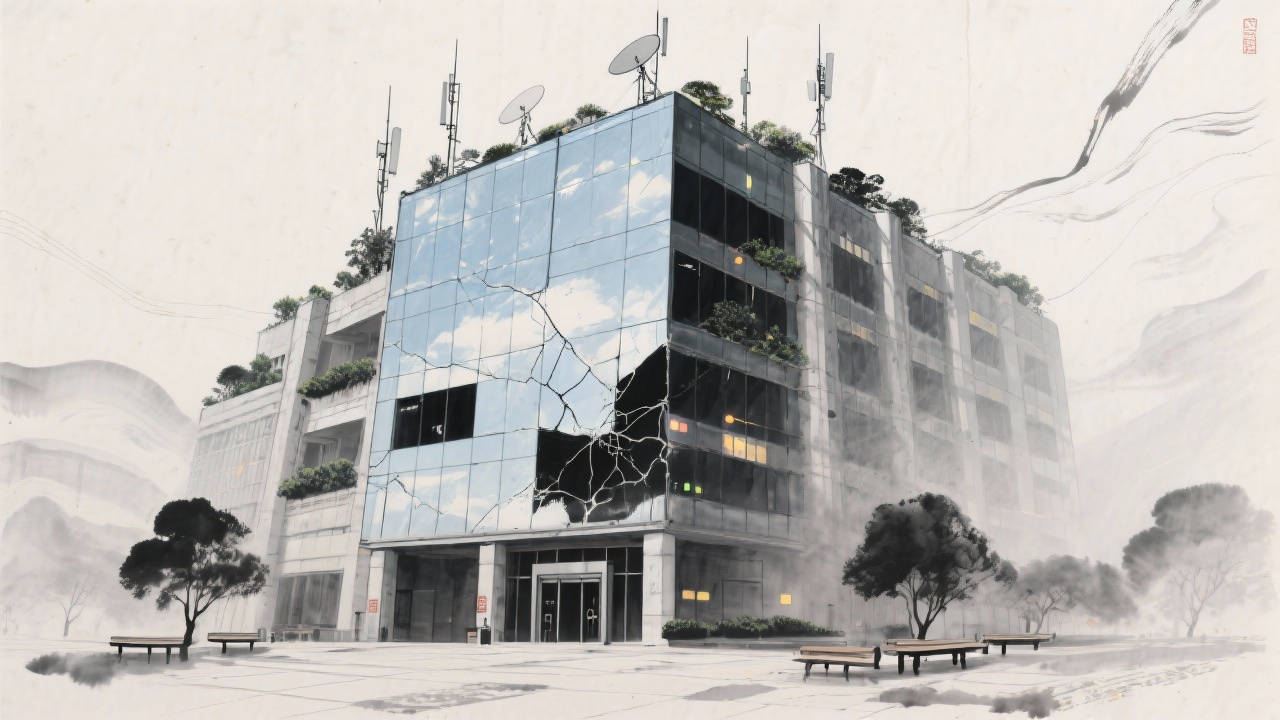
You rarely get permission to freeze the business for a rewrite
Legacy cores—mainframes, monoliths, vendor appliances—often pay the bills. The modernization story that wins is incremental: wrap, observe, harden, then replace when the economics line up. Containers are a delivery and operations tool, not a magic rewrite.
Starting with observability sounds unglamorous, but it is honest. If you cannot tell whether the app is healthy, queuing work, or erroring at the edges, failover is guesswork. Instrument first, even if instrumentation is imperfect.
What “healthy” means in practice
Define health checks that match real user journeys—not just a TCP port listening. Pair those signals with load-balancing rules sized to measured capacity, not peak marketing slides. Autoscaling without understanding bottlenecks just moves the failure mode.
Run failover exercises on a schedule. Scripts and DNS entries rot; people rotate. A tabletop is better than nothing, but a controlled exercise that fails over traffic and measures recovery time is what gives leadership confidence.
Containers as a migration shell
- Package the legacy workload with explicit resource limits and startup dependencies.
- Use init containers or sidecars for secrets and configuration—avoid baking environment-specific state into the image.
- Centralize logs and metrics so on-call sees one stream, not SSH sessions.
- Document rollback: if the new path misbehaves, how do you return to the old topology without drama?
Business continuity is the actual metric
Kubernetes logos do not impress a CFO. Reduced outage minutes, clearer recovery paths, and a funded roadmap to replace the core when the ROI is there—that is the conversation. My job is to connect the technical scaffolding to those outcomes so modernization budgets survive the next planning cycle.
Working with vendors and internal teams
Legacy often means a vendor dependency: support contracts, bespoke protocols, or appliances that cannot move overnight. Containerization still helps when you can standardize how you deploy, patch, and observe—but you need explicit conversations about what the vendor supports and what voids warranty. I document those boundaries so nobody discovers them during an outage.
Internally, I align developers and operations on who owns runbooks, who gets paged, and how changes flow. Wrapping legacy without clarity on ownership recreates the same chaos with extra YAML.
Economic justification
Executives fund modernization when they see risk reduction, revenue protection, or cost takeout—not when they hear buzzwords. I help teams translate reliability work into numbers leadership already tracks: avoided downtime, reduced manual toil, audit findings closed, and faster recovery when incidents occur.
When those links are explicit, the next tranche of funding is easier—not because politics disappeared, but because trust accumulated.
Pulling it together
Containerizing legacy is a bridge—not a destination. Use it to observe, to failover, and to buy time for a business case to replace or refactor the core. The teams that thrive keep executives informed with honest trade-offs, not optimistic fiction.
If your next modernization conversation starts with Kubernetes instead of outcomes, pause and rewrite the agenda.